DOE bans rut tours to help Persian red deer conservation
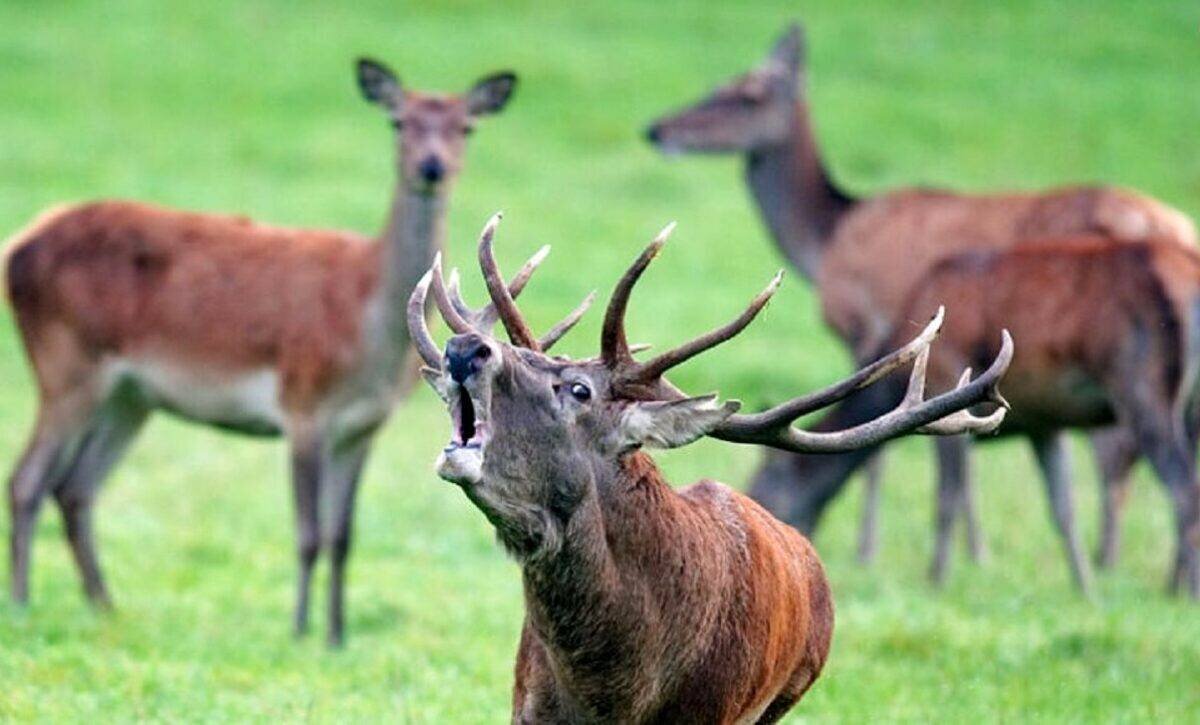
TEHRAN – The Department of Environment (DOE) has prohibited rut tours to help protect the natural life cycle of the Persian red deer, known as maral in Iran.
The Persian red deer is one of the largest deer species, but unfortunately, its population has declined significantly in Iran. The red deer rutting season begins in late summer and continues through the fall. During this period, the sound of roaring males can be heard as they compete for females and defend their territories. Rival males engage in fierce fights, locking and clashing their antlers as they compete for mating opportunities and dominance.
“The red deer rutting season is one of the most critical stages in the biological cycle of the Caspian red deer. An increase in human presence within its habitat, particularly due to tourism activities, could disrupt the species’ natural behavior and interfere with its normal behavioral patterns,” IRNA quoted Hamid Zohrabi, an official with the DOE, as saying.
“Exploiting this natural phenomenon for commercial or profit-driven tourism can have detrimental effects on the species. Therefore, approaching the habitats of Caspian red deer is strictly prohibited, except for trained and qualified personnel—preferably members of local communities—who are involved in monitoring and conservation efforts. Even their presence must be limited to what is operationally necessary and carried out in accordance with established safety and security protocols, without causing disturbance or stress to the animals,” he added.
Genetic map for endangered species being developed
The DOE is developing a genetic map of endangered wildlife species to increase their chance of survival, create a breeding plan, manage their population, and address the risks facing them in their natural habitats.
Effective conservation of endangered species is almost unattainable without a precise understanding of population genetics. To this end, genetic and molecular studies of key wildlife species in the country have been put on the agenda, ensuring that management decisions are based on accurate scientific data, IRNA quoted the head of the National Museum of Natural History and Genetic Resources, Leila Ezzeddinlou, as saying.
Preserving genetic diversity within and between populations, preventing declines in effective population size, avoiding inbreeding and genetic erosion, conserving genes adapted to diverse environmental conditions, and providing genetic resources for species restoration, propagation, and introduction or reintroduction programs are among primary objectives of these studies, she added.
Referring to three research agreements signed between the DOE, the College of Agricultural and Natural Resources of the University of Tehran, and Gorgan University, the official said that as part of the cooperation, a project is underway to investigate the genomic diversity and phylogeny of Levant viper and Latifi’s viper populations, employing conservation and therapeutic approaches based on genomic markers.
Moreover, the development of genetic profiles and maps for the Asiatic cheetahs, black bear, and Persian yellow deer, as keystone and threatened species, has kicked off.
The other part of the agreements focuses on the assessment of genetic variation, inbreeding, and kinship relationships within the Persian zebra population, which is being conducted in collaboration with Yazd’s provincial DOE department. The initiative plays a key role in managing small populations and preventing the loss of genetic biodiversity, she highlighted.
MT/MG
Leave a Comment